General Contractor: Your Indispensable Professional for Home Endeavors
A general contractor plays an essential role in home projects. They oversee various aspects of building work, ensuring that all operations proceed without issues. Their expertise in construction regulations and regulations allows them to navigate the intricacies of licenses and inspections. This professional serves as a vital link between clients and subcontractors. However, many homeowners remain unsure about the full scope of their services. Comprehending these details can greatly impact the success of any remodeling endeavor.
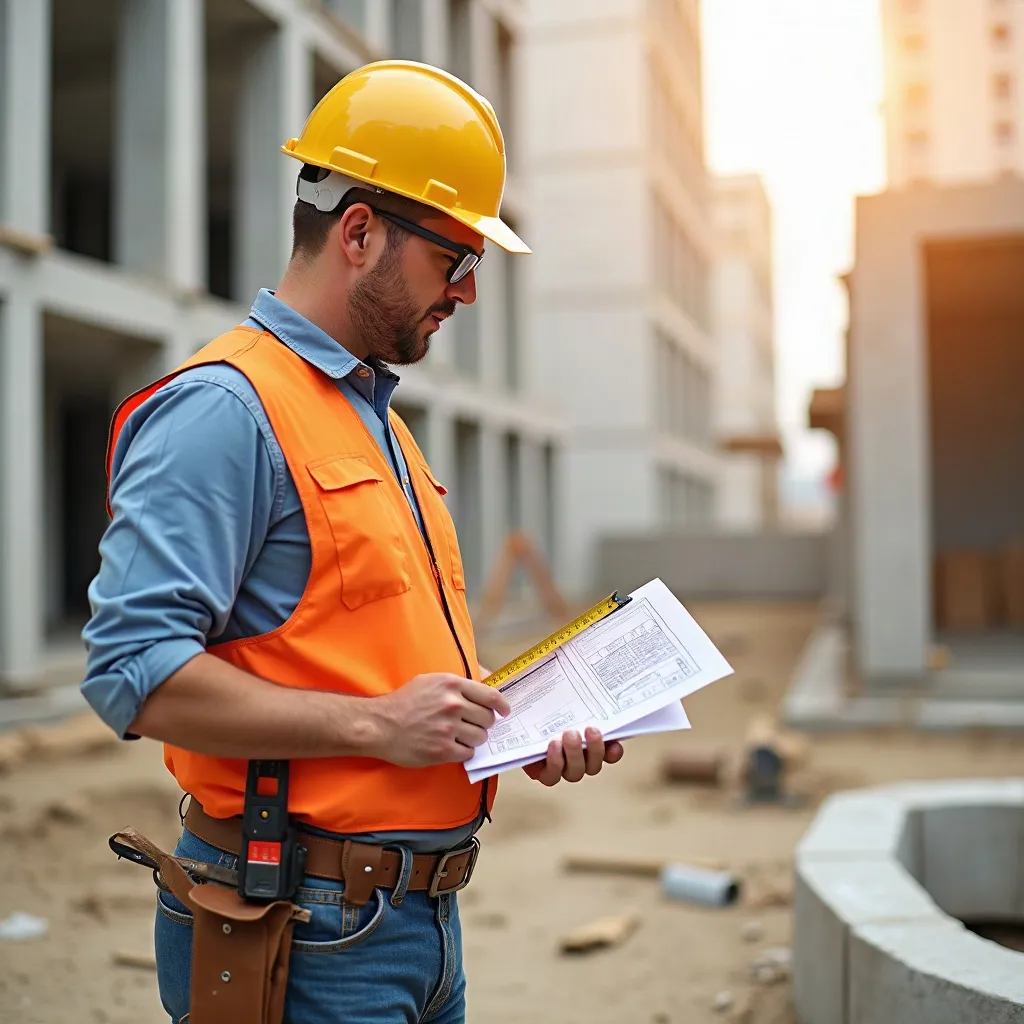
What Duties Do a General Contractor Handle?
A construction manager orchestrates the different components of a construction project, ensuring that everything runs smoothly from start to finish. They serve as the primary point of contact, managing correspondence between customers, specialized contractors, and suppliers. This position includes developing the construction schedule, organizing workforce, and ensuring compliance with regional construction standards and requirements.
General contractors are responsible for obtaining necessary permits and scheduling inspections, which are essential to maintaining safety and quality standards. They also manage budgeting, sourcing materials, and managing on-site activities to mitigate any potential delays or issues. In addition, they supervise subcontractors, ensuring that each phase of construction conforms to project specifications and timelines. Overall, a general contractor's expertise and organizational skills are crucial for completing a successful construction project, transforming a client's vision into reality while managing multiple duties and obligations.
Benefits of Retaining a General Contractor for Home Improvements
Retaining a a general contractor for home renovations delivers numerous advantages that can greatly boost the efficiency and quality of the work. General contractors bring expertise in project management, ensuring that timelines are met and funds are distributed effectively. Their established connections with specialized contractors can lead to superior pricing and superior workmanship, which ultimately benefits homeowners regarding both time and money.
Also, general contractors handle the intricate details of permits and inspections, curtailing prospective legal complications. They also provide a sole representative, easing correspondence and cooperation among different professionals. This streamlining mitigates the likelihood of confusion and slowdowns.
Additionally, their expertise lets them to anticipate potential challenges, permitting proactive solutions to stay on track the project on schedule. By bringing on a general contractor, homeowners can concentrate on their vision while obtaining peace of mind, knowing that a professional is managing every aspect of the renovation.
Refuting Common Myths About General Contractors
While many property owners may hold false beliefs about contracting professionals, understanding the truths can lead to more educated decisions. One common myth is that hiring a contractor is not needed for small projects; however, their skills can streamline even minor renovations, ensuring compliance with local codes. Another common belief is that contractors are merely middlemen, but they often possess broad knowledge in multiple areas, enabling them to oversee projects effectively. Additionally, some clients think that working with a contractor will significantly increase costs. In truth, a skilled general contractor can often secure better rates for materials and labor due to established relationships with suppliers and subcontractors. Finally, many believe that general contractors are rigid, but trusted contractors prioritize client communication and collaborate closely to meet individual needs. Dispelled myths can empower homeowners to leverage the real value of contractors in achieving effective home projects.
How to Pick the Right General Contractor?
How can property owners guarantee they choose the right general contractor for their assignments? The procedure starts with comprehensive investigation. Property owners should obtain suggestions from friends, family, or online reviews to find qualified contractors. Once a compilation is compiled, confirming qualifications, such as licensing, insurance, and bonding, is crucial to verify legitimacy.
Next, homeowners should ask for and examine collections of past projects, concentrating on projects similar in scope. Setting up interviews allows property owners to gauge compatibility, covering timelines, budgets, and expectations. It's also advisable to get several estimates for comparison, providing a better grasp of expenses.
Reviewing references offers understanding of a contractor's dependability and expertise. Finally, following your intuition is crucial; an opening discussion can reveal much about a contractor's communication style and approach. By adhering to these guidelines, homeowners can markedly increase their likelihood of picking a general contractor who aligns with their project needs and vision.
Proven Conversation Techniques With Your General Contractor
How can homeowners leverage methods to ensure effective communication with their general contractor? Initiating transparent communication from the outset is critical. Homeowners must distinctly articulate their expectations, project goals, and cost boundaries during opening conversations. Consistent information can be enabled through arranged gatherings, ensuring that both parties stay synchronized throughout the project.
Applying written documentation, such as project documentation and emails, reinforces verbal agreements and minimizes confusion. Homeowners should likewise foster transparent dialogue by welcoming feedback and questions from the contractor, fostering a cooperative setting.
In addition, harnessing technological tools, such as project management apps, can refine communication by supplying a core platform for communicating updates, timelines, and changes. Finally, acting considerate and approachable can enhance camaraderie, allowing it less difficult for the contractor to articulate challenges or suggestions in an effective manner. By utilizing these strategies, homeowners can create a productive and forthright relationship with their general contractor.
Things to Learn When Your Initiative Starts?
Once the initiative kicks off, homeowners can expect a surge of operations on-site. The prime contractor will direct teams of skilled tradespeople, including electricians, plumbers, and carpenters, who will start their work per the predetermined plan. Homeowners may notice heavy machinery and materials being moved in, establishing a bustling atmosphere.
Staying in communication is essential during this phase. The contractor will share updates on how things are progressing and address any worries that surface. Homeowners should be prepared for likely disturbances, such as noise and restricted access to certain areas of the home.
Safety precautions will be in place to protect both workers and residents, ensuring a secure atmosphere. Additionally, homeowners may be urged to maintain flexibility, as unforeseen issues can arise, demanding adjustments to the original plan. Overall, this initial phase establishes the foundation for the successful completion of the project, and active involvement is essential.
Essential Inquiries for Your Contractor Agreement?
Pinpointing the correct questions to discuss when completing a general contractor agreement is imperative for guaranteeing a frictionless project. Homeowners should seek clarity about the contractor's certification and coverage to validate their credentials and protection against exposure. Understanding the project schedule and targets is significant; therefore, asking about projected completion dates helps establish expectations.
It is also crucial to establish financial agreements, including upfront payments and payment schedules, to avoid confusion. Property owners should ask for a comprehensive itemization of costs, including supplies and workmanship, to ensure clarity. Additionally, discussing the procedure for handling modifications or unforeseen issues can prevent disputes down the road.
In conclusion, homeowners should investigate details about the qualifications of their subcontractors, as well as the contractor's communication approach throughout the project. By reviewing these points, homeowners can establish a productive relationship with their general contractor, ultimately leading to a successful construction project.
Common Inquiries Posed Often
How Do General Contractors Bill for Their Services?
Contractors commonly assess fees through fixed fees, hourly rates, or a percentage of the total project cost. Their costs may include materials, labor, and overhead, based on the project's complexity and scope.
Can a General Contractor Provide Support With Authorizations and Inspections?
Yes, a general contractor can assist with obtaining permits and managing inspections. They typically work through local regulations and ensure compliance, simplifying the workflow for homeowners while providing necessary authorizations throughout the building endeavor.
What Qualifications Should I Identify in a General Contractor?
When choosing a general contractor, one should consider qualifications such as proper licensing, insurance, expertise with similar work, strong references, and strong communication abilities, guaranteeing they possess the see the full story necessary expertise to oversee the project successfully.
How much time Does a Standard Home Renovation Project Require?
A conventional home renovation project can take anywhere from a few weeks to several months, determined by the scope, intricacy, and size of the project, as well as the obtainability of materials and labor.
What Occurs if My Undertaking Surpasses Spending Cap?
If a project goes over budget, the builder usually talks through the reasons and options with the homeowner. Adjustments may consist of scaling back, seeking additional funding, or revising the project scope to align with budget constraints.